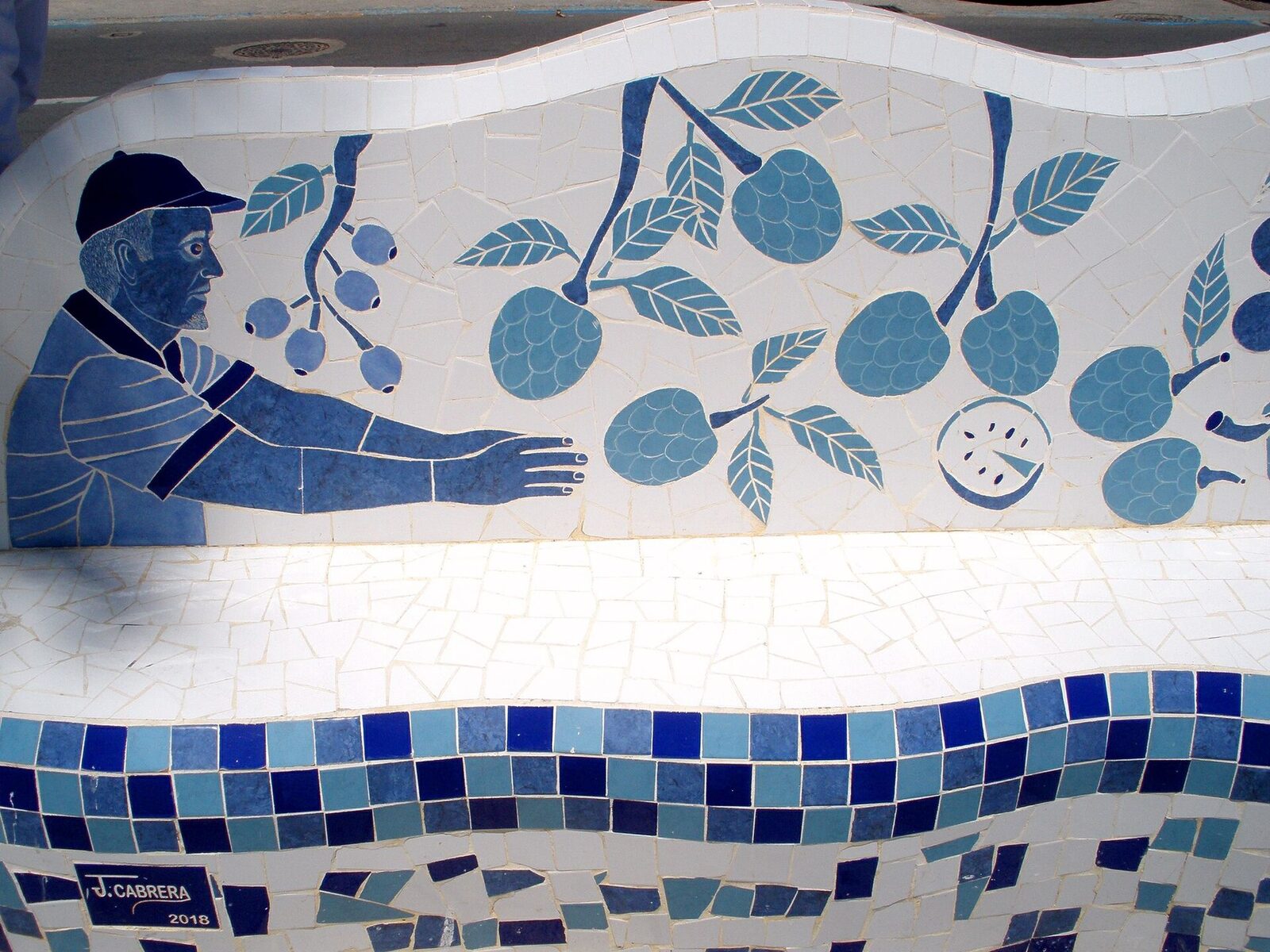

Hotels and guesthouses
Almuñécar is not a town of giant hotels. The biggest are along Playa de San Cristóbal and Velilla – four-star places with pools, mostly from the 1970s–90s – while the old town and the area around Plaza de la Constitución have small hotels and guesthouses. La Herradura has a couple of beach hotels and many small family-run hostales. Book early for July–August and Holy Week; the rest of the year there is plenty of room and prices are low.
- Beach hotels: along the Paseo de San Cristóbal, Paseo del Altillo and Velilla – walking distance to everything.
- Old town: small hotels in restored houses, stairs and lanes, no parking.
- La Herradura: quieter, close to the dive schools, its own promenade.
- Marina del Este and Punta de la Mona: aparthotels and villas with views; a car is needed.
Apartments and villas
The big supply is apartments and villas for short lets, through the usual platforms and local agents. The areas of Cotobro, Punta de la Mona, Velilla-Taramay and the slopes above La Herradura are villa districts with a large share of northern European owners – many let when they are not there themselves. Check the distance to the beach and whether there is parking: the slopes are steep and the streets narrow.
Camping
La Herradura has the municipality's campsites, by the beach at the western end of the village and up on the slope, open all year with bungalows and motorhome pitches. In winter they fill with northern European motorhomes that stay for months. In Almuñécar there are motorhome areas at the mouth of the Río Seco valley; free camping on the beaches is prohibited (except on the night of San Juan).
Long-term rental and buying
More and more Scandinavians rent long-term or buy: an apartment with a sea view still costs considerably less than on the Costa del Sol. Long-term rentals (alquiler de larga temporada) go through local agents and Spanish sites such as idealista.com; prices are lowest from October to May. Anyone living more than 183 days a year in Spain becomes tax resident here – see practical for the NIE, padrón and residencia.
Eating
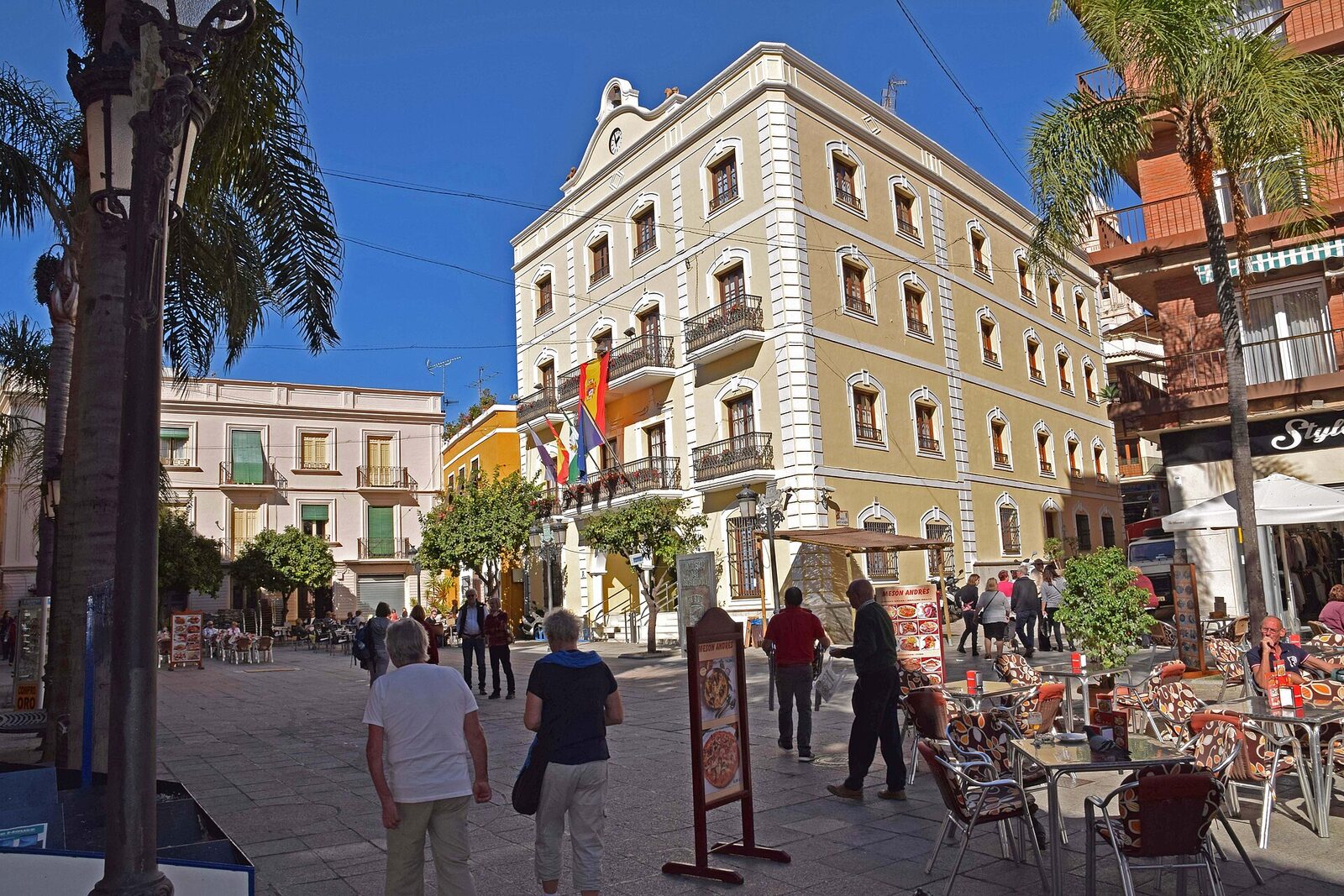

The food culture is Andalusian coast: tapas come free with a drink, as in Granada – read more about tapas and the best bars. Fish and seafood come from Motril's port – espeto (sardines grilled on a cane over embers in a boat on the beach) is the coast's signature dish, along with pescaíto frito (fried small fish), boquerones en vinagre (anchovies in vinegar) and gambas al pil-pil. For dessert: cherimoya, mango or a glass of vino dulce from Granada.
Locals eat tapas in the lanes around Plaza de la Constitución and Plaza Kelibia, on the Paseo Puerta del Mar and in the chiringuitos along the beaches. Lunch is served from 14:00, dinner rarely before 21:00; many kitchens close between 16:00 and 20:00. The weekday menú del día is the best buy: three courses with a drink for 12–15 euros. The Friday market sells fruit, vegetables, olives and ham, and the new market hall between Avenida de Europa and Avenida de la Cala opened in 2026 – see markets.
- Chiringuitos on San Cristóbal, Velilla and La Herradura: espeto, fish, paella – eat with your feet in the pebbles.
- Cantarriján: the two beach restaurants are a destination in themselves.
- Marina del Este: fish with a view over the harbour.
- Jete and Otívar: the mountain villages' ventas serve local goat's cheese, choto (kid) and cherimoya.