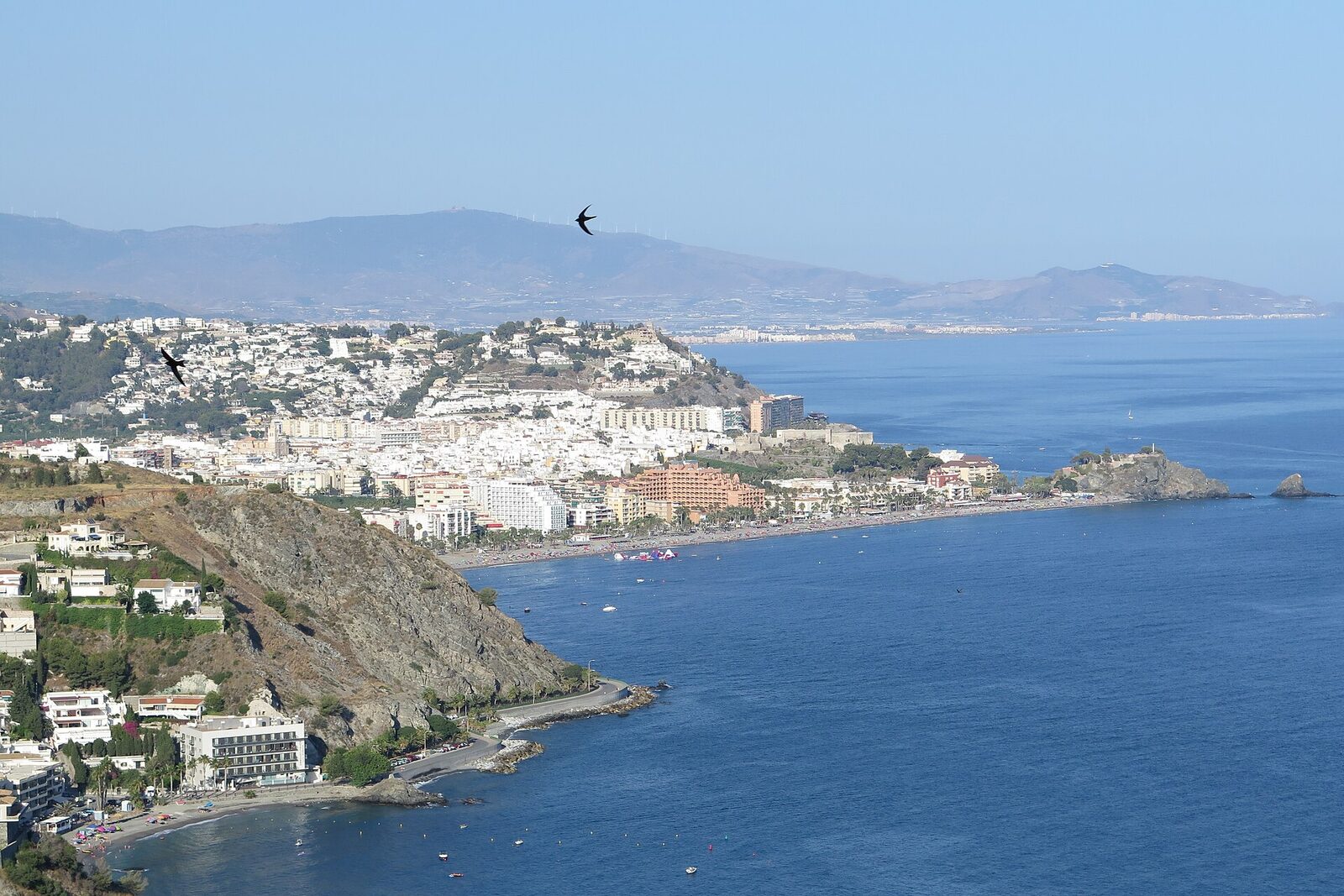

Good to know first
The beaches of the Costa Tropical are grey shingle and coarse gravel, not sand. It sounds worse than it is: the water is clear, you bring no sand home in your bag, and with water shoes or a thick towel it is excellent. The sea is cold in spring (16–17 °C in May), warmest in August–September (24–25 °C) and swimmable all year for the hardy. Sunbeds, parasols and chiringuitos (beach restaurants) are on the bigger beaches from Easter to October. Several beaches hold Blue Flags and have lifeguards in summer.
Playa de San Cristóbal
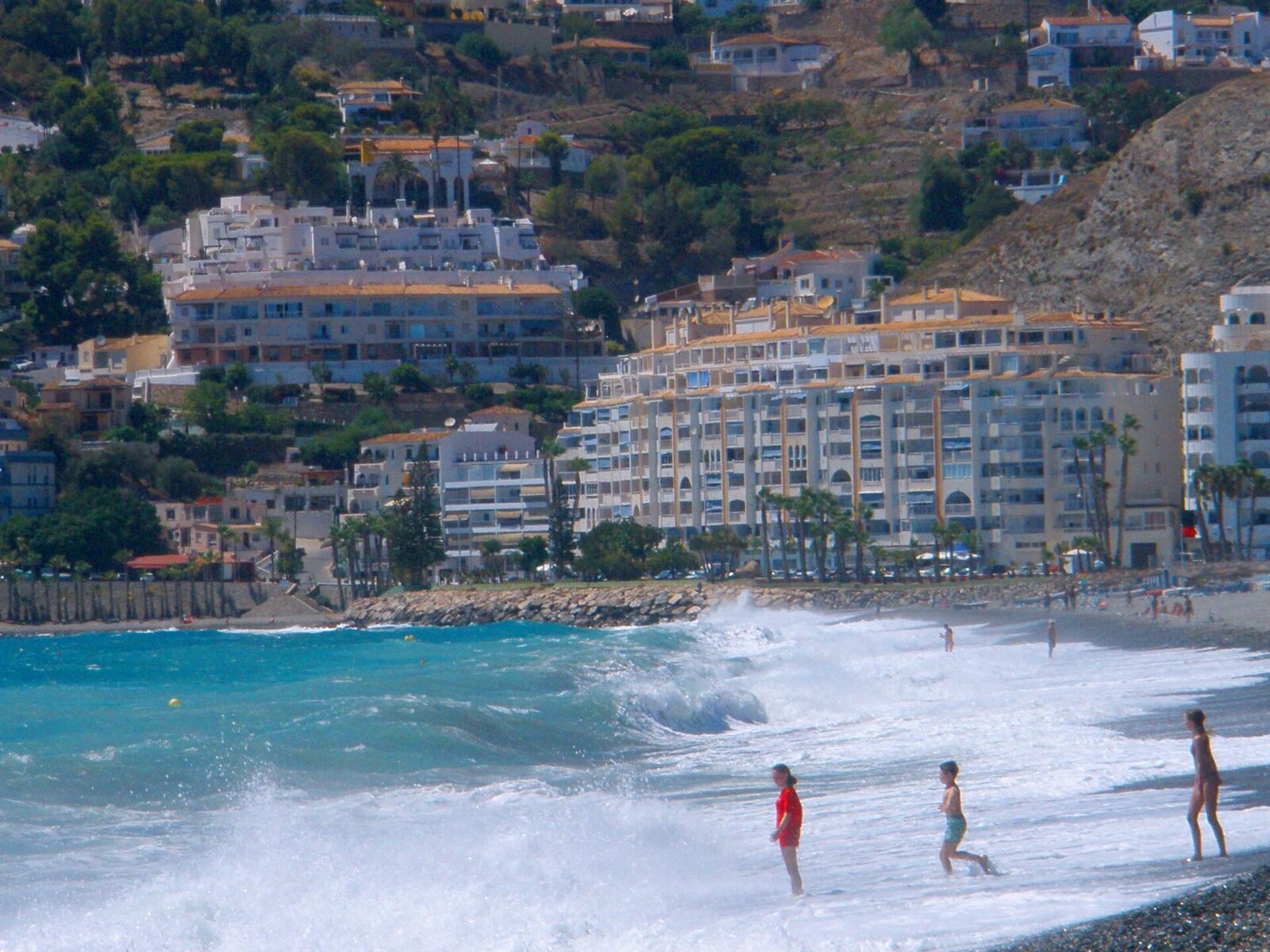

The town's main beach west of the Peñón del Santo: just over a kilometre long, backed by the Paseo de San Cristóbal, with hotels, beach bars, sunbed hire and water sports. Out in the water lie the Peñones de San Cristóbal – three small rocky islets popular for snorkelling. At the far western end, below Punta de San José, the beach becomes quieter.
Playa Puerta del Mar
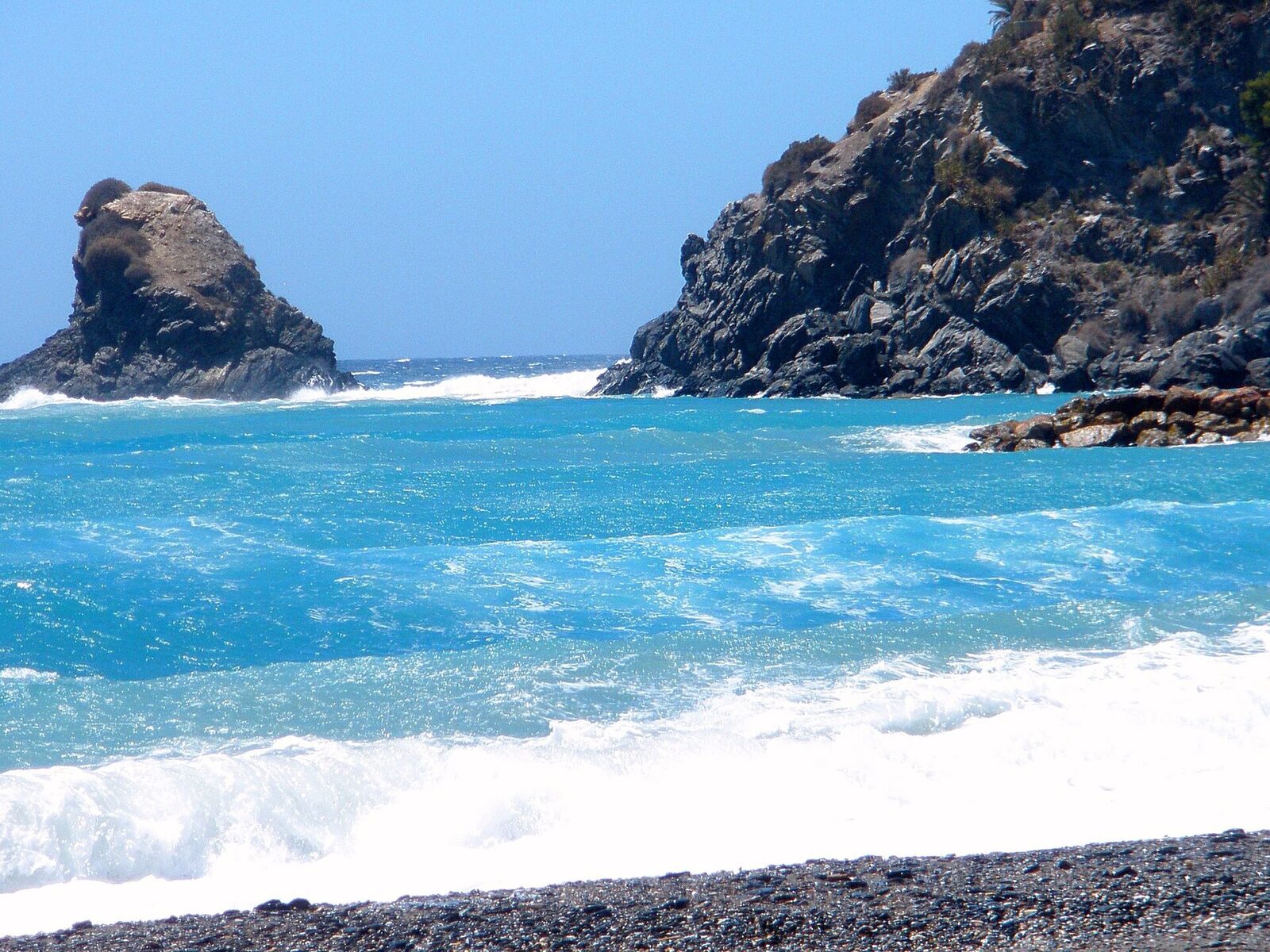

East of the rock, directly below the castle: smaller and more urban, with the Paseo Puerta del Mar promenade and its mosaic benches, restaurants and ice-cream parlours. From here the coast continues east via the little Playa de la Caletilla and Playa Fuente Piedra towards Velilla.
Velilla, Tesorillo and Cabria
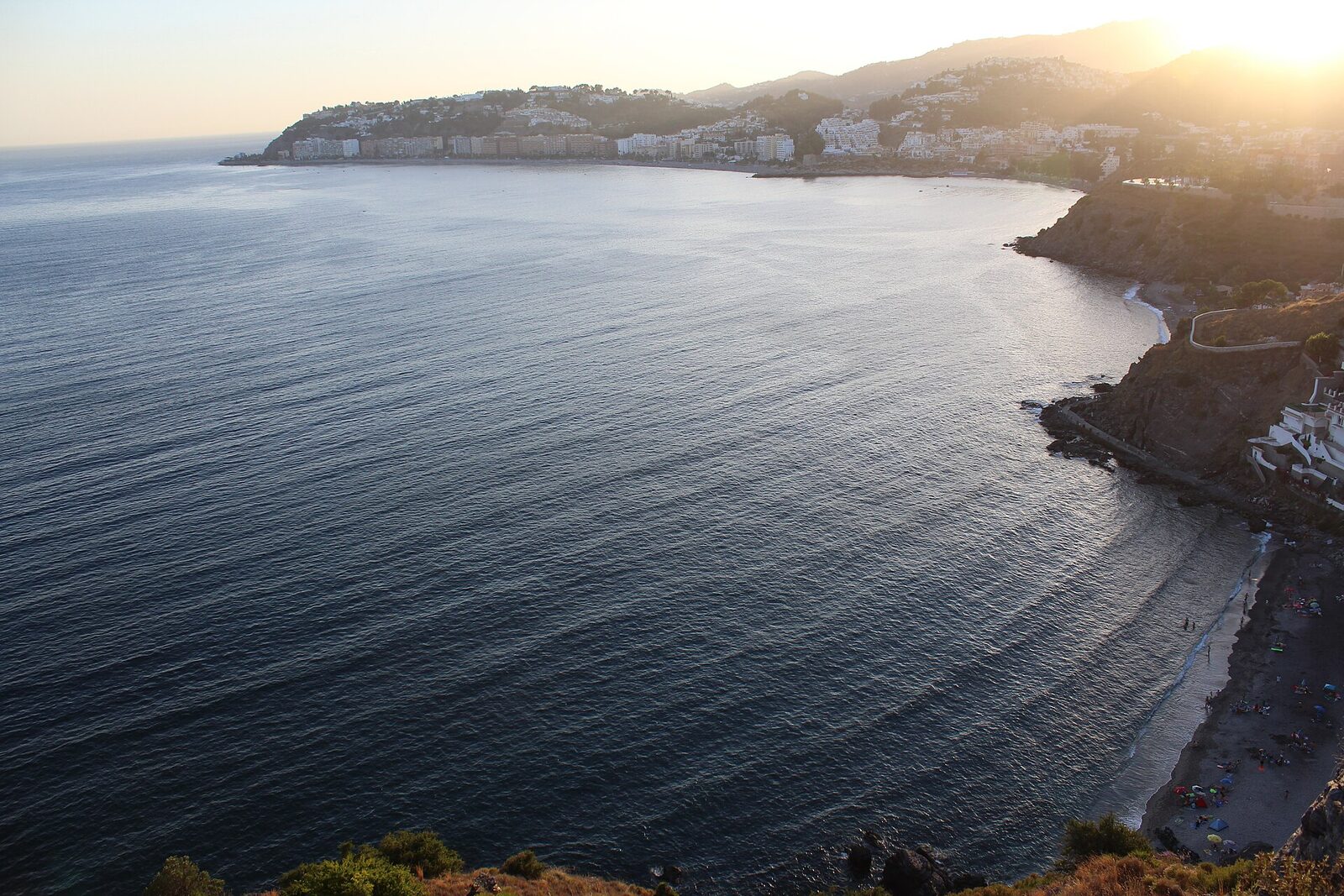

Playa de Velilla is the long beach east of town, almost two kilometres, with a promenade, apartment blocks and restaurants – calmer than the town beaches, with the Torre de Velilla watchtower as its landmark. Beyond it are Playa del Tesorillo and Taramay with its tower, and furthest east towards Salobreña Playa de Cabria and Calabajío, reached by steep roads off the N-340 and rarely full.
Cotobro and Marina del Este
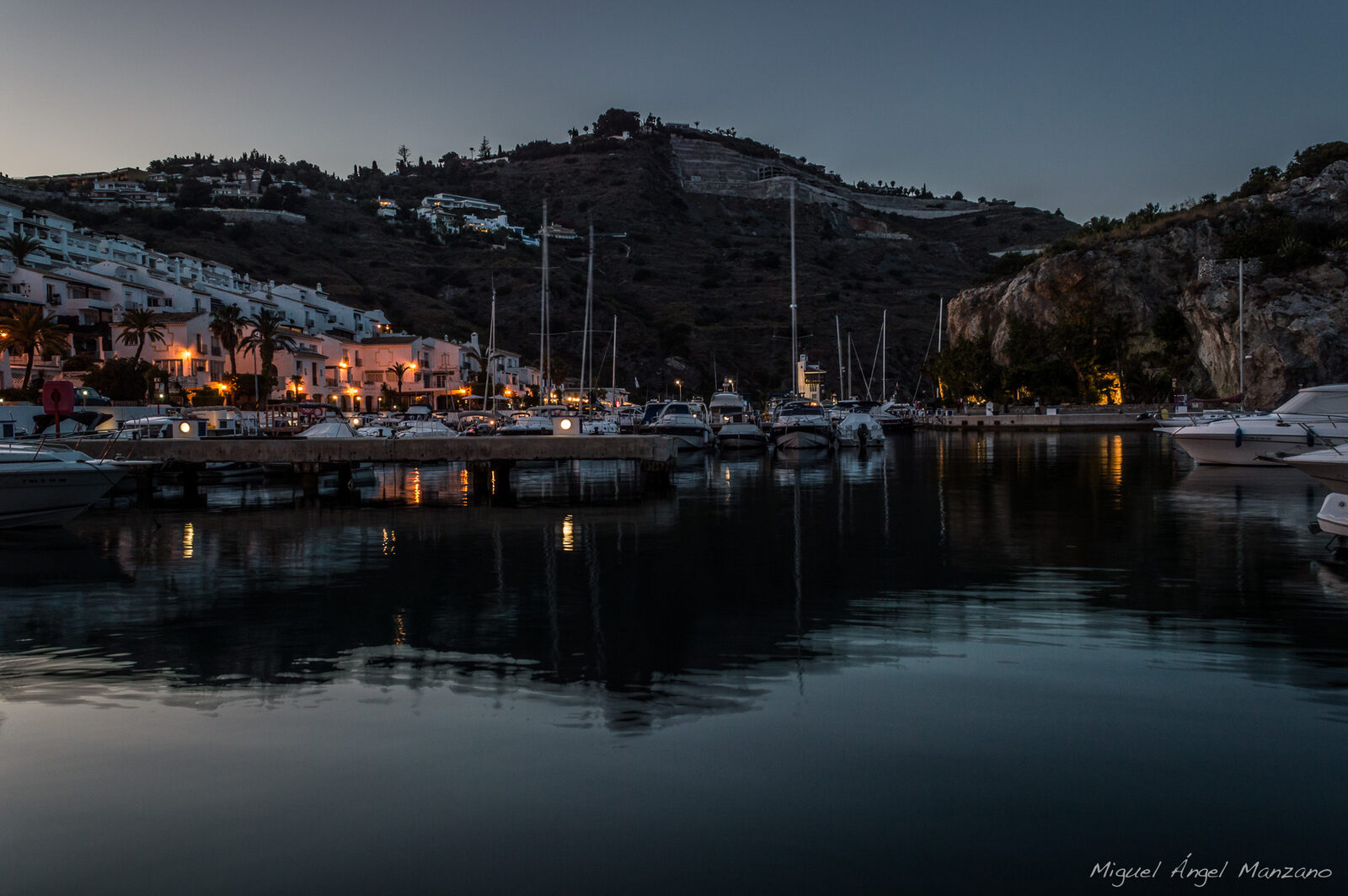

West of Punta de San José lies the Cotobro villa district with its smaller beach, sheltered and with a beach bar. Further west, on the east side of Punta de la Mona, is the Marina del Este yacht harbour with restaurants, dive centres, boat hire and a small beach in the cove. Between them is Playa del Muerto, a secluded naturist beach reached by a steep path.
La Herradura
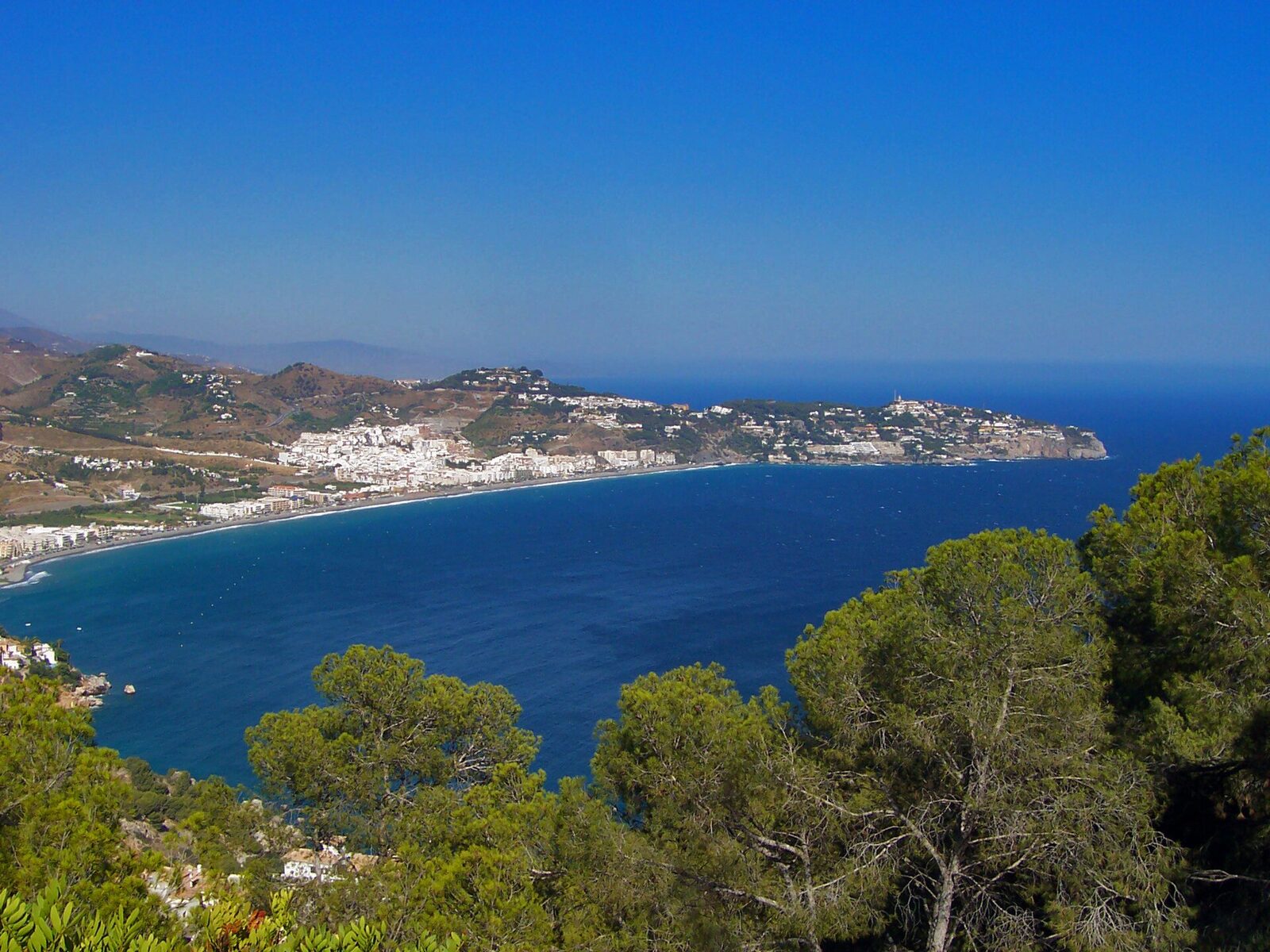

The horseshoe-shaped bay gave the village its name. The beach is over two kilometres long, sheltered by Punta de la Mona to the east and Cerro Gordo to the west, with a promenade, restaurants and calm water. The bay is the Costa Tropical's diving centre: several dive schools, clear water and seagrass meadows full of fish off the headlands. At the eastern end, by Punta de la Mona, is the little Calaiza beach. Kayak and paddleboard hire in summer.
Cantarriján and Cerro Gordo
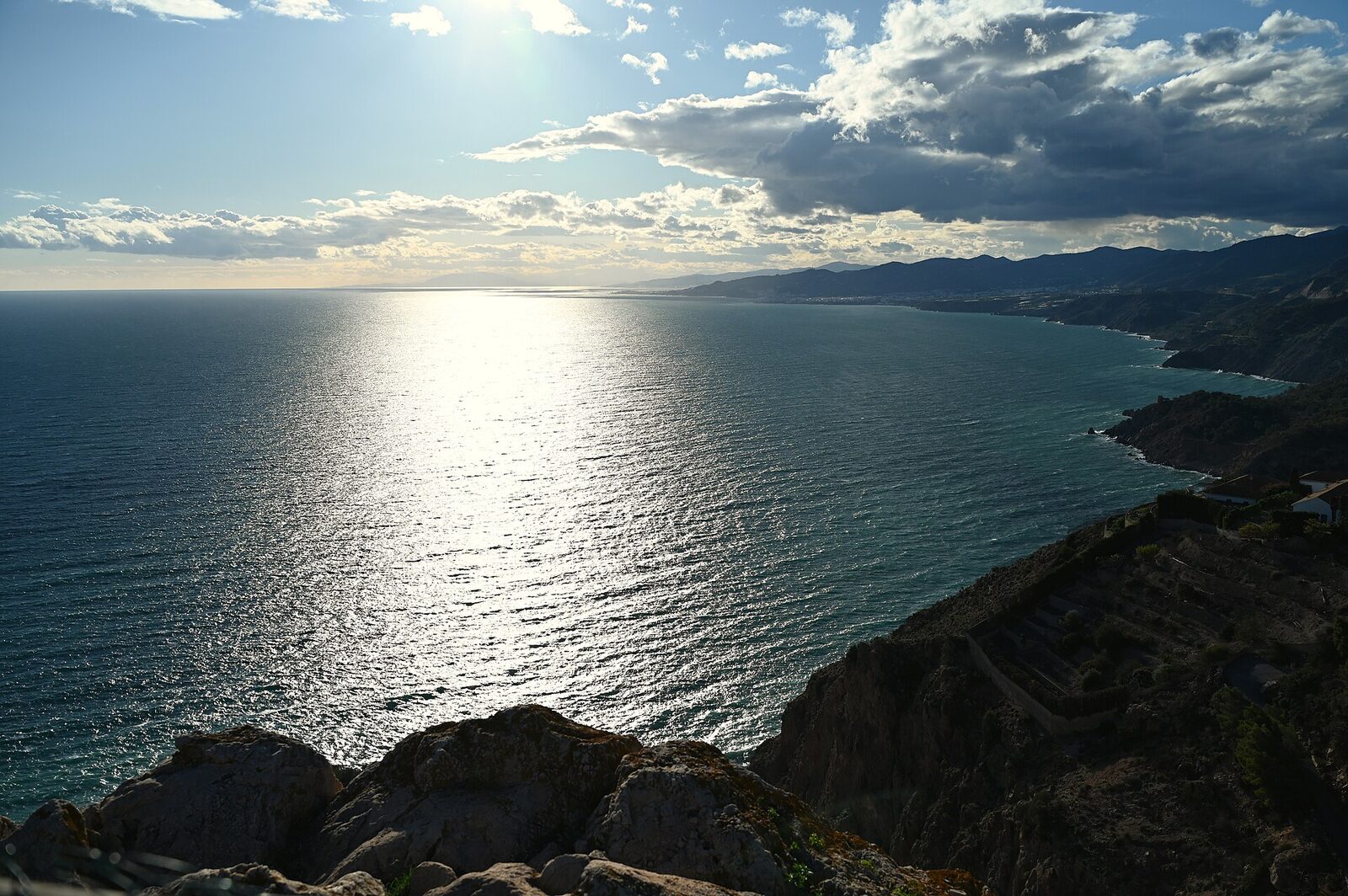

Furthest west, on the border with Málaga province and inside the Maro–Cerro Gordo nature reserve, is Playa de Cantarriján: two coves beneath high cliffs, a naturist beach of long standing, with two beach restaurants known for their fish. In summer the road down is closed to cars and a shuttle bus runs from the car park on the N-340. Crystal-clear water, good snorkelling. From the Cerro Gordo headland, with its viewpoint and watchtower, paths lead down to further small coves.