
The Phoenicians found Sexi
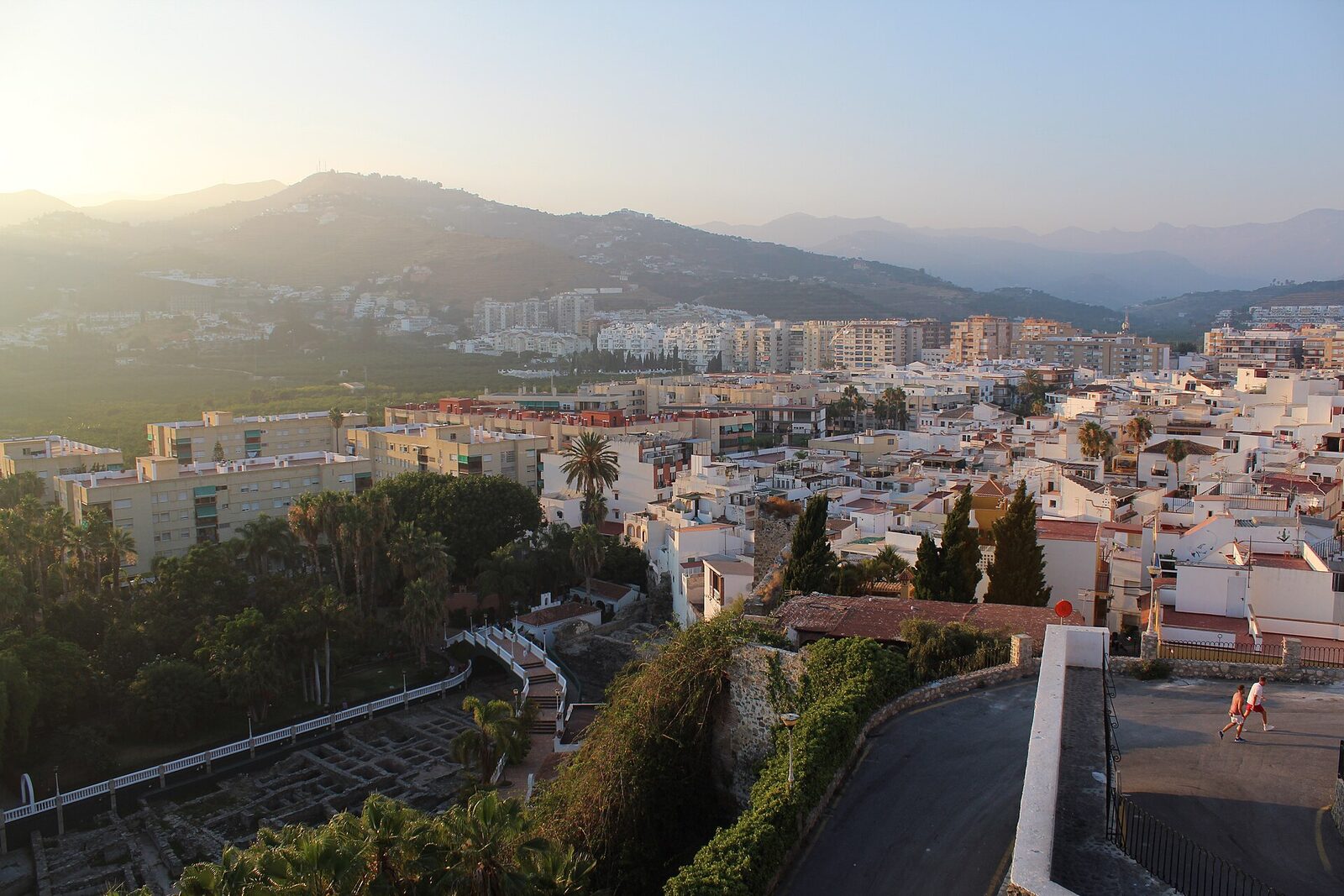
Around 800 BC Phoenician seafarers from what is now Lebanon established a trading post on the rock between the two beaches. They called the place Sks – the Greeks wrote Sexi – and lived on fishing, salt and trade with the Iberian peoples inland. The necropolises of Puente de Noy and Laurita on the slopes around the town have yielded some of the richest Phoenician finds in the western Mediterranean: Egyptian alabaster vases reused as urns, Greek pottery and jewellery.
The most famous is the vase of Pharaoh Apophis from the seventeenth century BC, found in a tomb on the Cerro de San Cristóbal. The inscription bearing the pharaoh's name is the oldest written text ever found on the Iberian Peninsula. The vase is on display in the town's archaeological museum.
Roman Sexi Firmum Iulium

Under Rome, Sexi became a municipium with the right to mint coins. The town's wealth was garum, the fermented fish sauce the whole empire seasoned its food with: the salting factory in Parque El Majuelo, with its stone tanks, operated from the fourth century BC to the fourth century AD and exported to Rome.
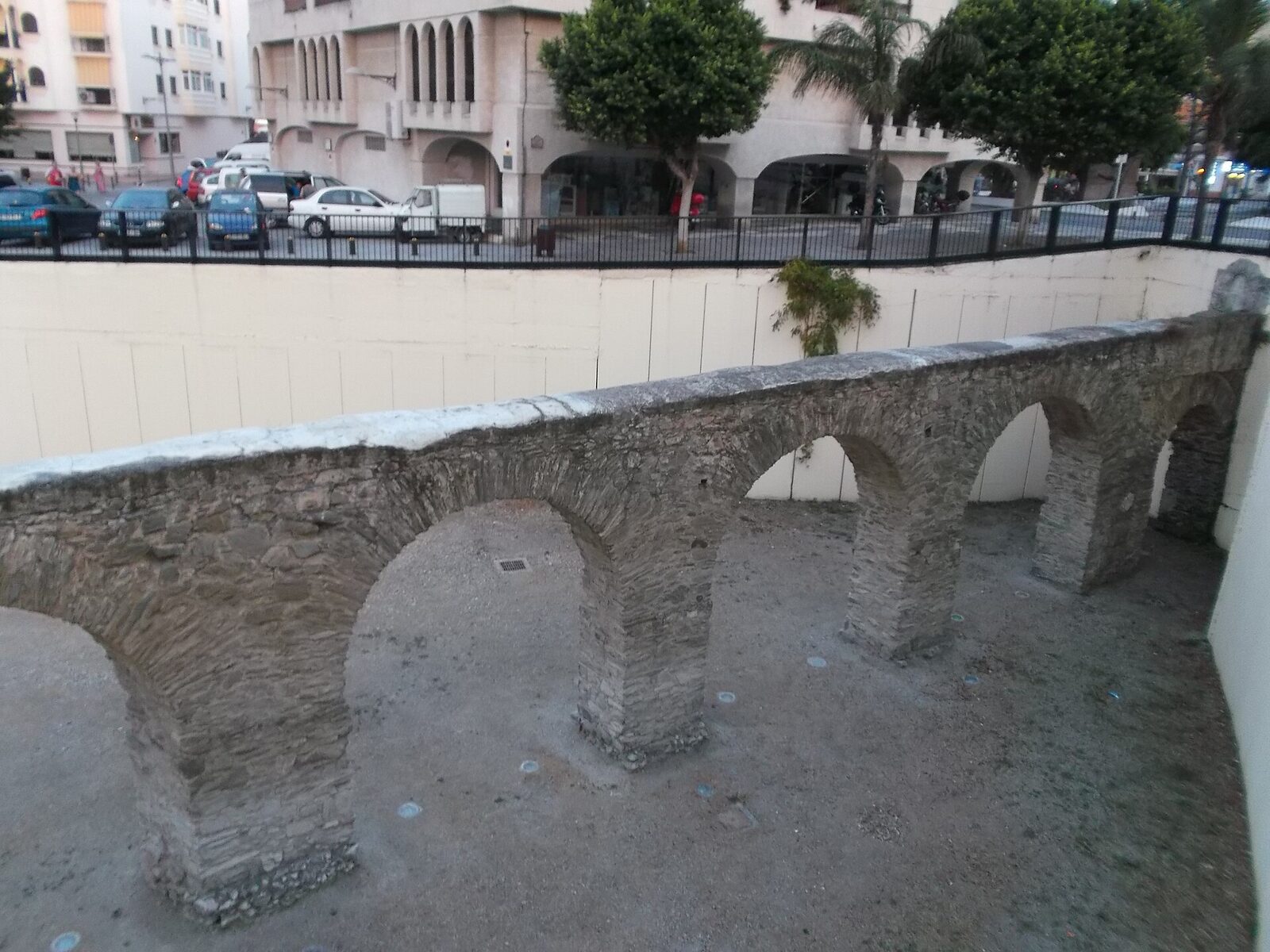
To supply the town and its factories the Romans built an aqueduct in the first century AD, taking water from the Río Verde and Río Seco seven kilometres up the valley. Four arched stretches survive and, remarkably, parts are still used to irrigate the orchards – almost two thousand years on. In the middle of town are the baths and an aqueduct arch excavated in the 1990s, and in the valley stand two columbaria, burial towers for ash urns.
Abd ar-Rahman and al-Munakkab
In August 755 a young fugitive landed on the beach below the rock. Abd ar-Rahman I was the only surviving prince of the Umayyad dynasty, which the Abbasids had wiped out in Damascus, and he had been fleeing through North Africa for five years. From Almuñécar he made his way to Córdoba, defeated the governor and proclaimed himself emir. The emirate he founded became the Caliphate of Córdoba and the golden age of al-Andalus. A monument on the Peñón del Santo and a statue on the Paseo del Altillo commemorate the landing.
Under the Moors the town was al-Munakkab ('the mountain village' or 'the rock'), and the castle was enlarged into the stronghold whose outline is still visible today. Sugar cane and silk were introduced, and the irrigation system the Romans had begun was extended. Almuñécar became one of the Nasrids' most important ports on the short coast the Kingdom of Granada held until the end.
Castile, pirates and sugar cane
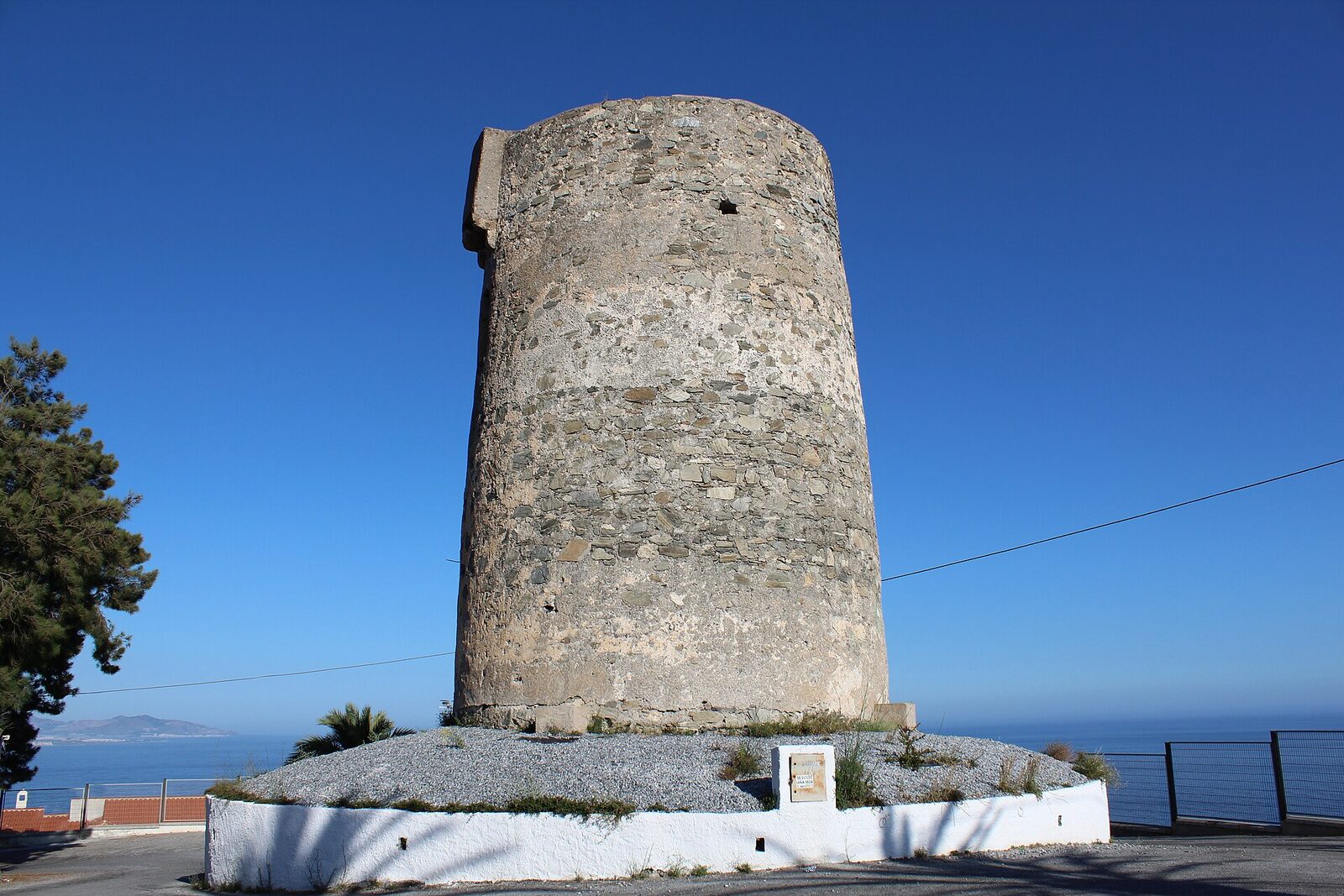

In 1489 Almuñécar surrendered to the Catholic Monarchs, three years before Granada. The castle was rebuilt under Charles V and named after the archangel Michael. The next two centuries were marked by raids by the Barbary pirates from North Africa; the watchtowers along the coast – Torre de Velilla, Torreón de Taramay, Torre del Diablo on Cerro Gordo, the tower on Punta de la Mona – were built in the sixteenth century to give warning with smoke and fire. In October 1562, 25 galleys of the Spanish fleet were wrecked in a storm in La Herradura bay; some 5,000 men died, one of Spain's worst maritime disasters.
Sugar cane was the coast's main crop from Moorish times until the twentieth century. Ingenios – sugar mills – stood along the Río Verde, and the last in Europe closed in Salobreña and Motril only in the 2000s. During the Napoleonic Wars the castle was bombarded by British ships in 1808; it fell into ruin and served as the town cemetery in the nineteenth century. The town's coat of arms, with a galley and three heads, recalls the pirates.
Laurie Lee and the 1930s
In the winter of 1935–36 the English poet Laurie Lee lived in Almuñécar, which he calls 'Castillo' in As I Walked Out One Midsummer Morning (1969). He worked in a hotel, busked with his violin and watched the Civil War break out; a British destroyer took him off the beach. The book is the best portrait of the town before tourism, and a monument on the Paseo del Altillo honours him.
The Almuñécar of tourism
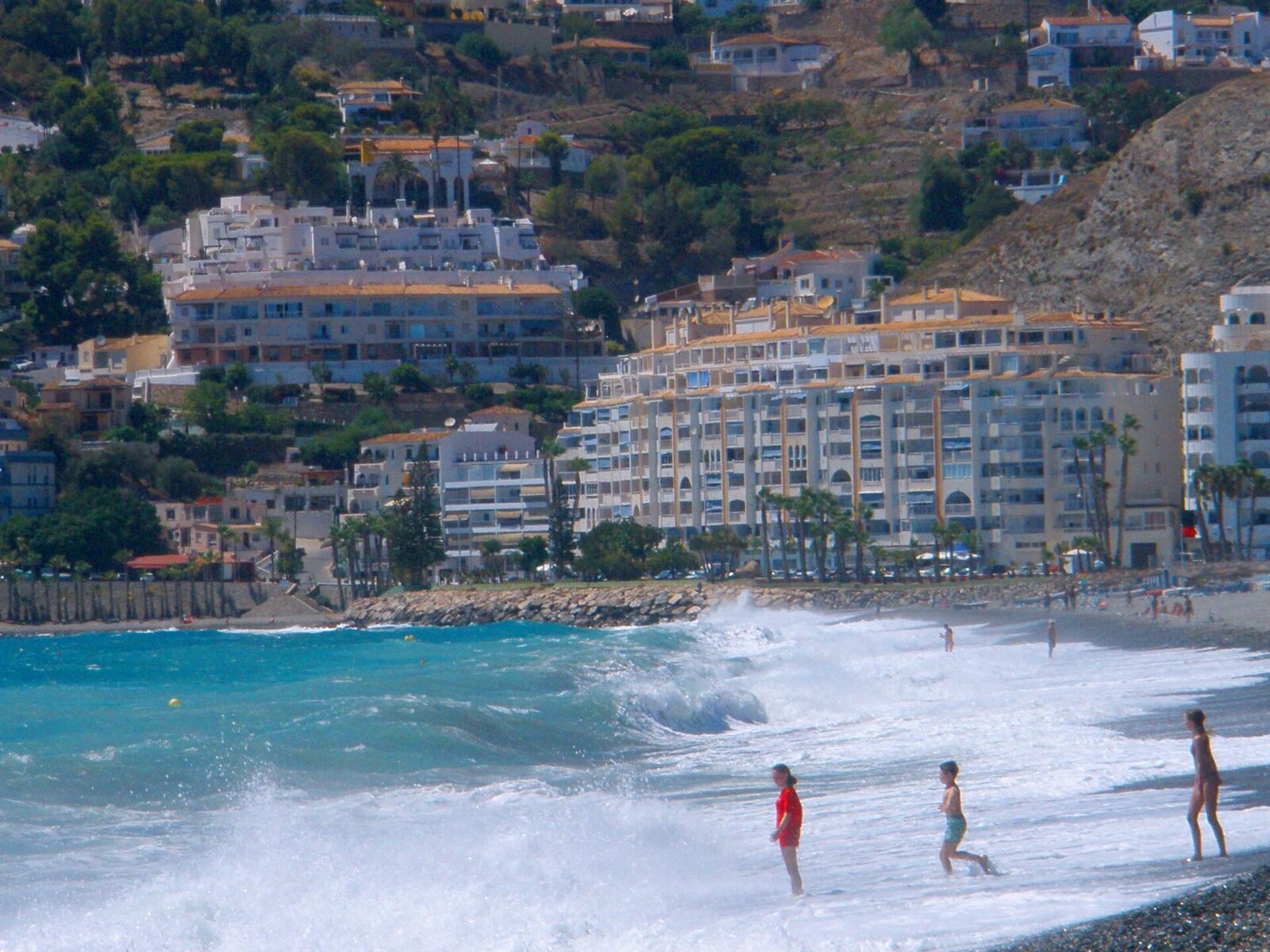

Until the 1960s Almuñécar was a poor fishing and farming village with sugar cane and a narrow coast road. Tourism arrived later and more gently here than on the Costa del Sol – partly because the beaches are shingle and the road was bad – and the town kept its old centre. From the 1970s subtropical fruit replaced the cane: cherimoya, avocado and mango. Almuñécar's cherimoya received the EU's protected designation of origin in 2002.
The A-7 motorway reached the coast in 2015 and tied Almuñécar more closely to Málaga. Today about 28,000 people live here, several thousand of them foreigners – British, Scandinavian, German and Belgian – and the population triples in summer. The castle was restored in the 1990s and opened as a museum, and in 1995 the old town centre was given heritage protection.
- Almuñécar 1900
- c. 8,000 inhabitants
- Almuñécar 1970
- c. 13,000 inhabitants
- Almuñécar 2000
- c. 21,000 inhabitants
- Almuñécar 2025
- c. 28,000 inhabitants